With the continuous development of materials science, an increasing number of bio-embolic materials have been applied in the field of interventional medicine. Vascular embolization has become a commonly used therapeutic approach for benign and malignant tumors, as well as vascularrelated diseases s
Transcatheter arterial chemoembolization is the standard therapy for intermediate and advanced hepatocellular carcinoma. Its therapeutic efficacy primarily relies on embolic agents to occlude tumorfeeding arteries and enable targeted delivery of chemotherapeutic drugs. However, the clinical outcome
Primary liver cancer (PLC) is one of the gastrointestinal malignancies with extremely high morbidity and mortality worldwide. More than 70% of patients have lost the opportunity for radical surgical resection at the initial diagnosis. Transarterial interventional embolization serves as the core ther
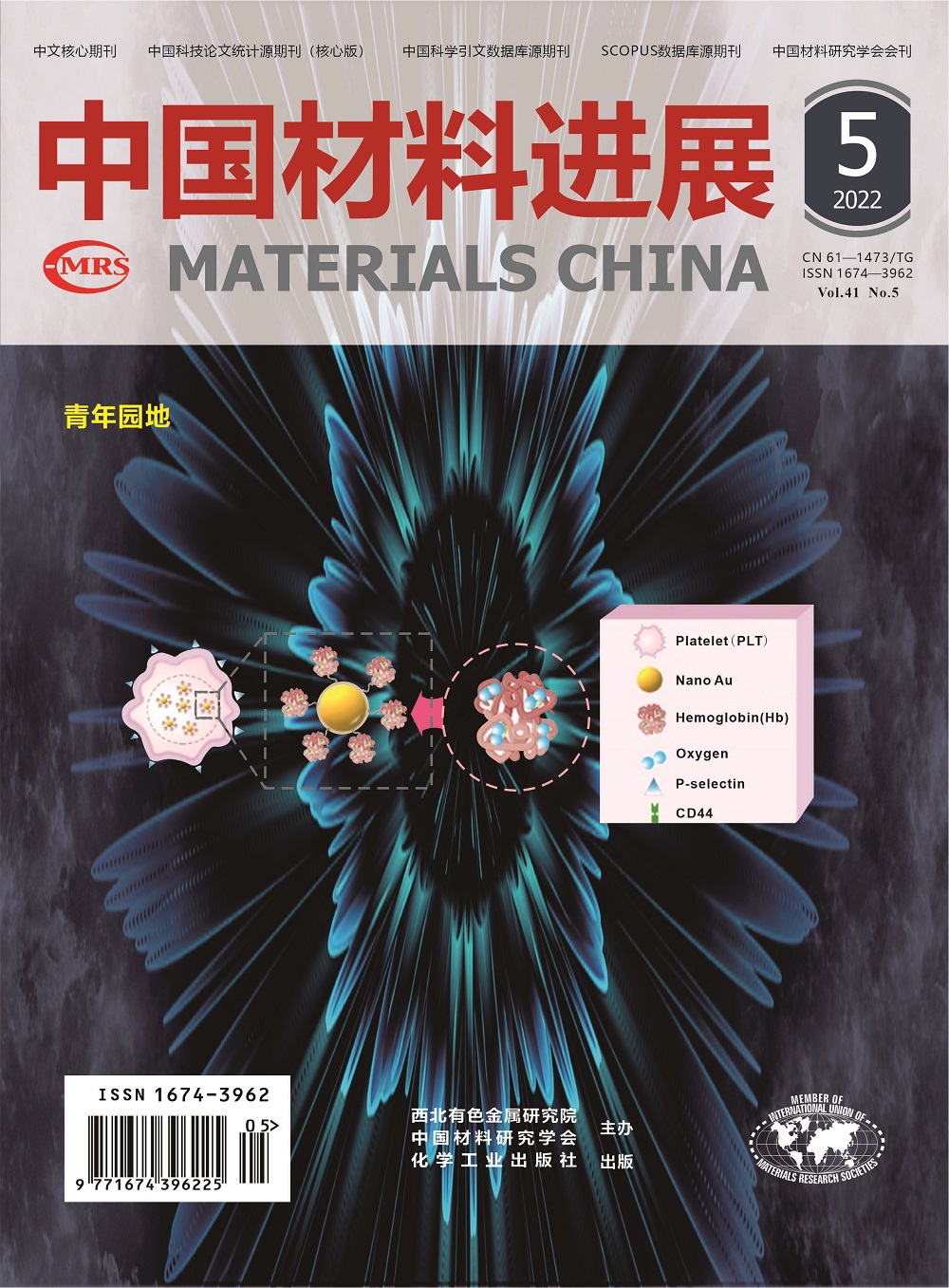
Transcatheter arterial embolization (TAE) has emerged as a pivotal minimally invasive strategy for treating advanced solid liver tumors. However, traditional embolic agents are predominantly limited to “passive physical occlusion”,suffering from significant deficiencies in controllability, visual tr
